
- Products /
- Solar Panel Cleaning Automation /
- Solar Automatic Cleaning System
Solar Automatic Cleaning System
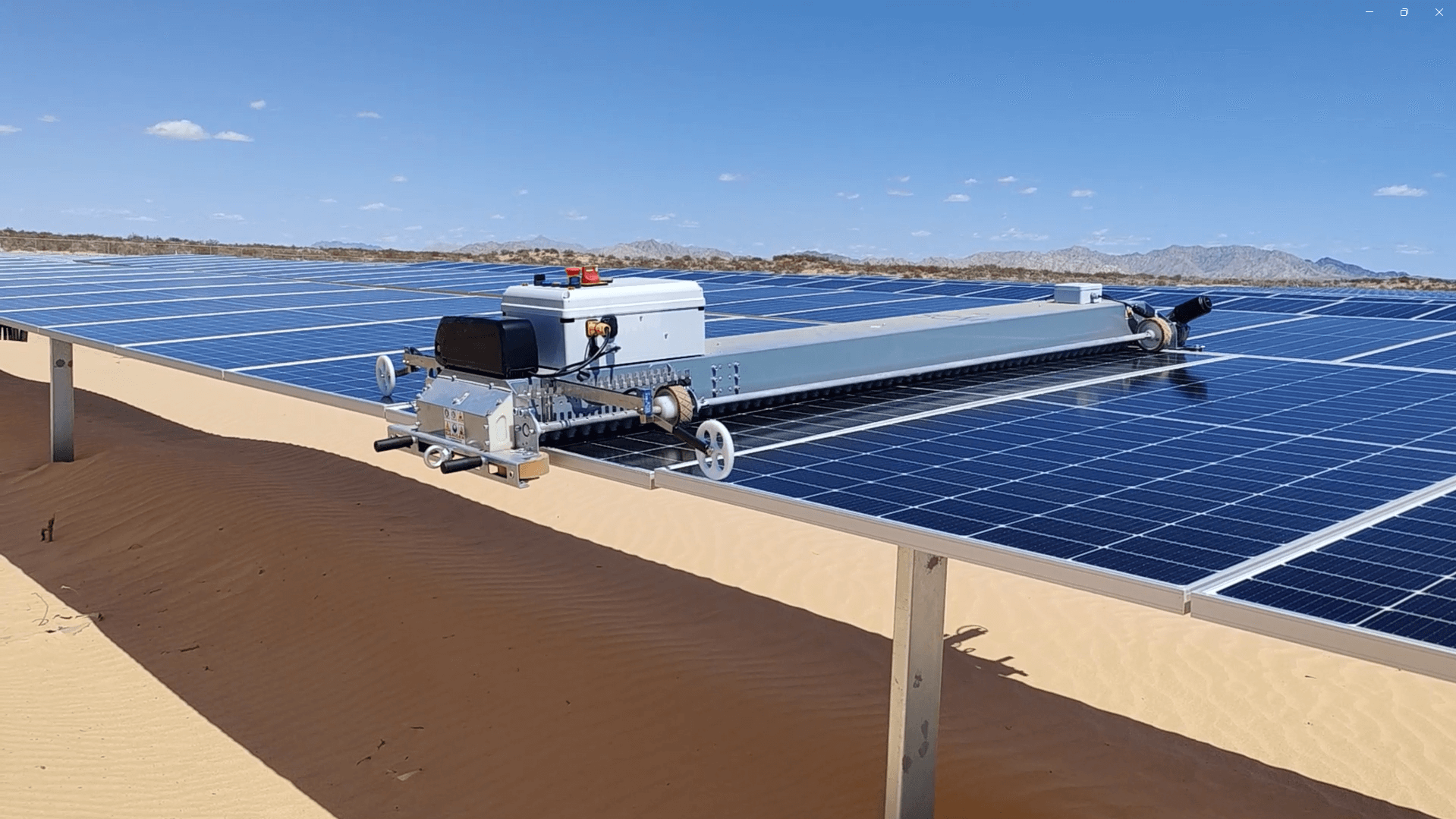
Automatic Cleaning Systems use advanced robotic cleaners or automated sprinkler setups to keep solar panels clean with minimal human effort. They ensure consistent performance, maximize energy efficiency, reduce maintenance costs, save water, and provide a safer, smarter solution for long-term solar panel maintenance.
| Feature | Manual Cleaning Benefits | Automatic Cleaning System Benefits |
|---|---|---|
| Initial Cost | Low initial cost with basic tools like soft brushes, squeegees, and water | Higher initial investment due to robotic systems or sprinkler setup |
| Maintenance Check | Workers can inspect panels for micro-cracks, loose wires, bird nests, and pests | Limited physical inspection unless integrated with monitoring systems |
| Adaptability | Suitable for complex roof layouts, different angles, chimneys, and vents | Best suited for flat, structured, and large-scale solar installations |
| Cleaning Precision | Excellent for spot-cleaning stubborn stains like bird droppings and sticky dirt | Best for regular surface dust removal and scheduled cleaning |
| Energy Efficiency | Cleaning depends on schedule, which may cause temporary efficiency drops | Frequent automatic cleaning maintains energy output close to 99% |
| ROI | Lower upfront cost but recurring labor expenses over time | Faster ROI for large commercial plants through labor savings and higher output |
| Water Usage | Usually requires more water during each cleaning session | Many systems use dry-brushing or low-water cleaning technology |
| Worker Safety | Involves human risk while working on rooftops and at heights | Eliminates human risk and improves safety standards |
| Smart Features | No automation or sensor-based operation | Can integrate with weather sensors and performance monitoring |
| Panel Protection | Risk of accidental stepping or improper cleaning methods | Controlled pressure and balanced movement protect panel surfaces |
| Cleaning Time | Usually done during daytime based on worker availability | Can operate at night or early morning without affecting power generation |